Patient Routing: Leading Vision, & Coordination of Interrelated, Complex, Dynamic, & Large Concurrent Projects
Overview
Leading research and design strategy for CVS’s MinuteClinic, the nation’s largest walk-in medical clinic chain, for over 9 years was challenging not just because of the scale (700+ clinics across the country), but also because CVS had strategically shifted their business model to focusing on healthcare offerings. While this added a wealth of great functionality and options for our users, it also risked creating complexity and confusion for them.
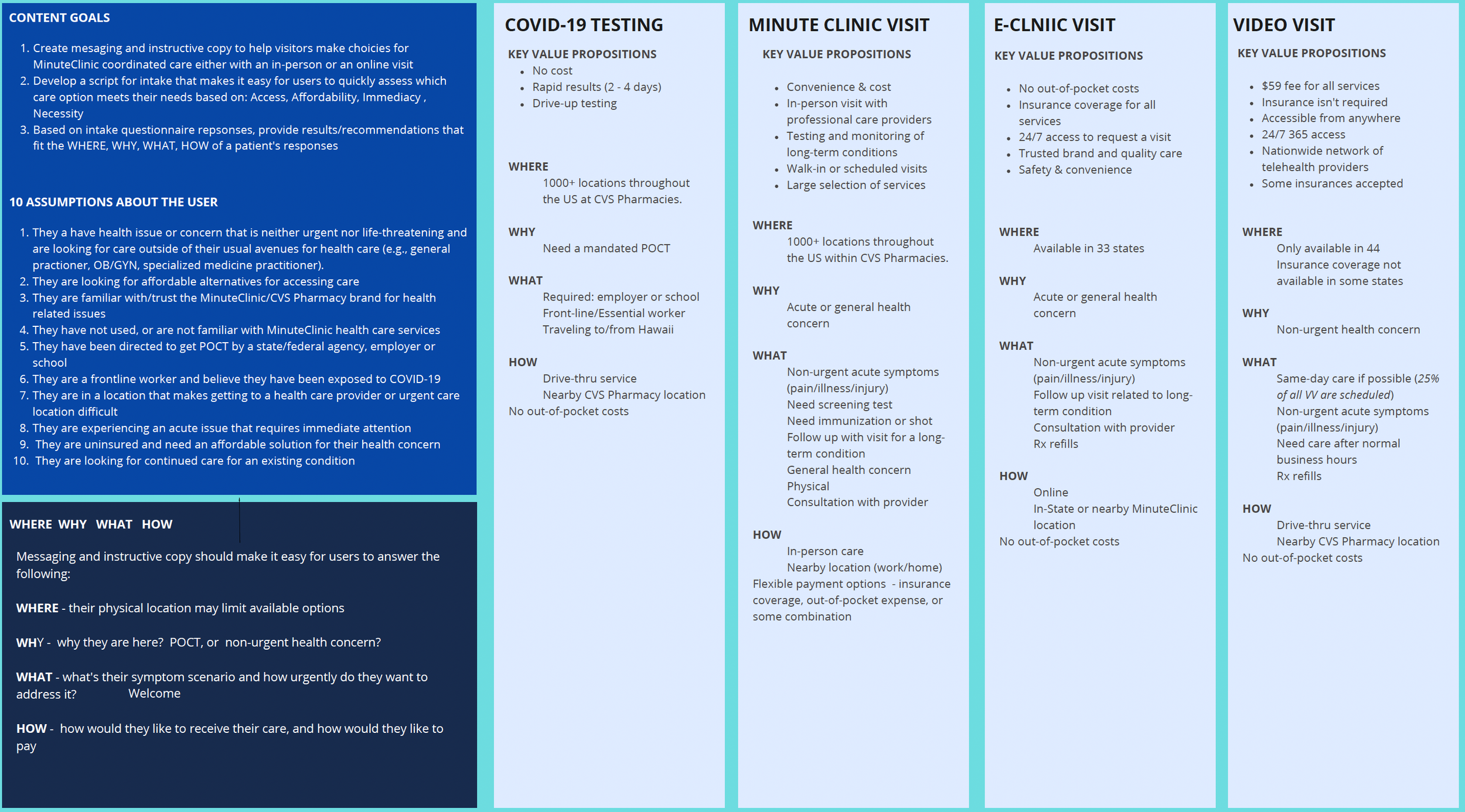
The number of medical services offered skyrocketed - from about 70 to about 150, with many more planned. However, which services were offered and the prices of those services varied by location. Furthermore, several new online care delivery platforms were coming online to complement MinuteClinic’s in-person care. Each online platform offered varying services and qualifications, including geographic and age constraints.
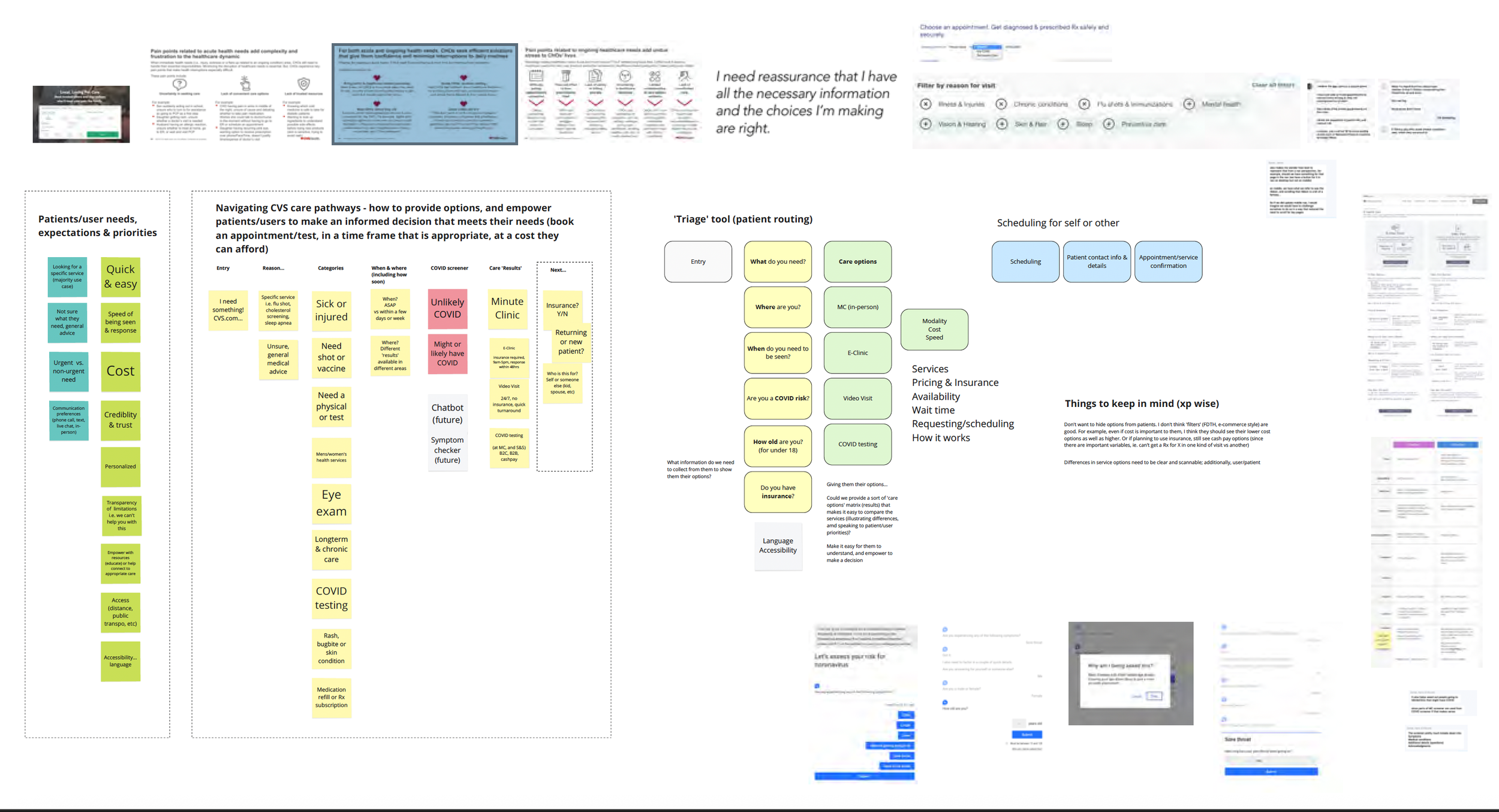
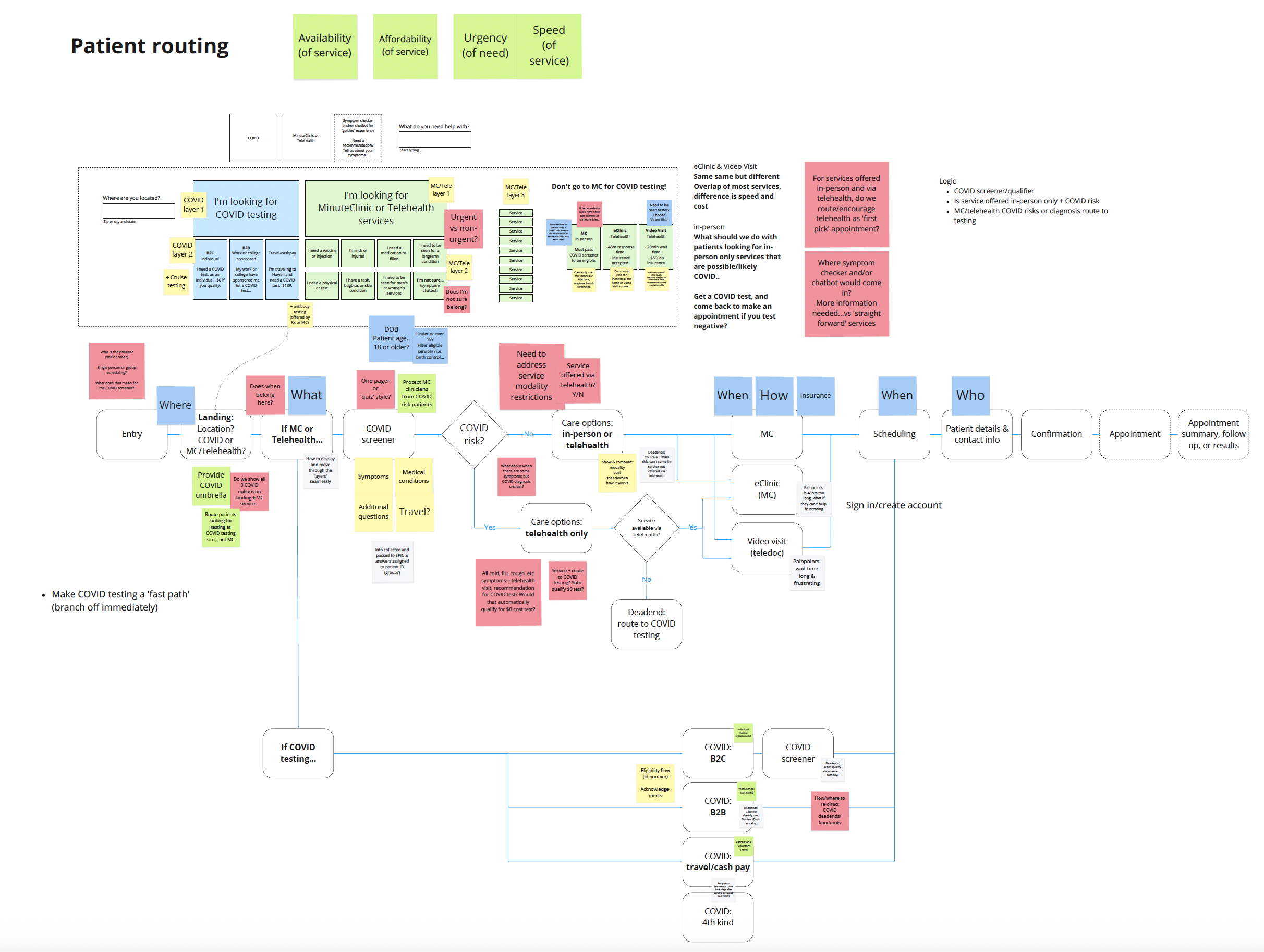
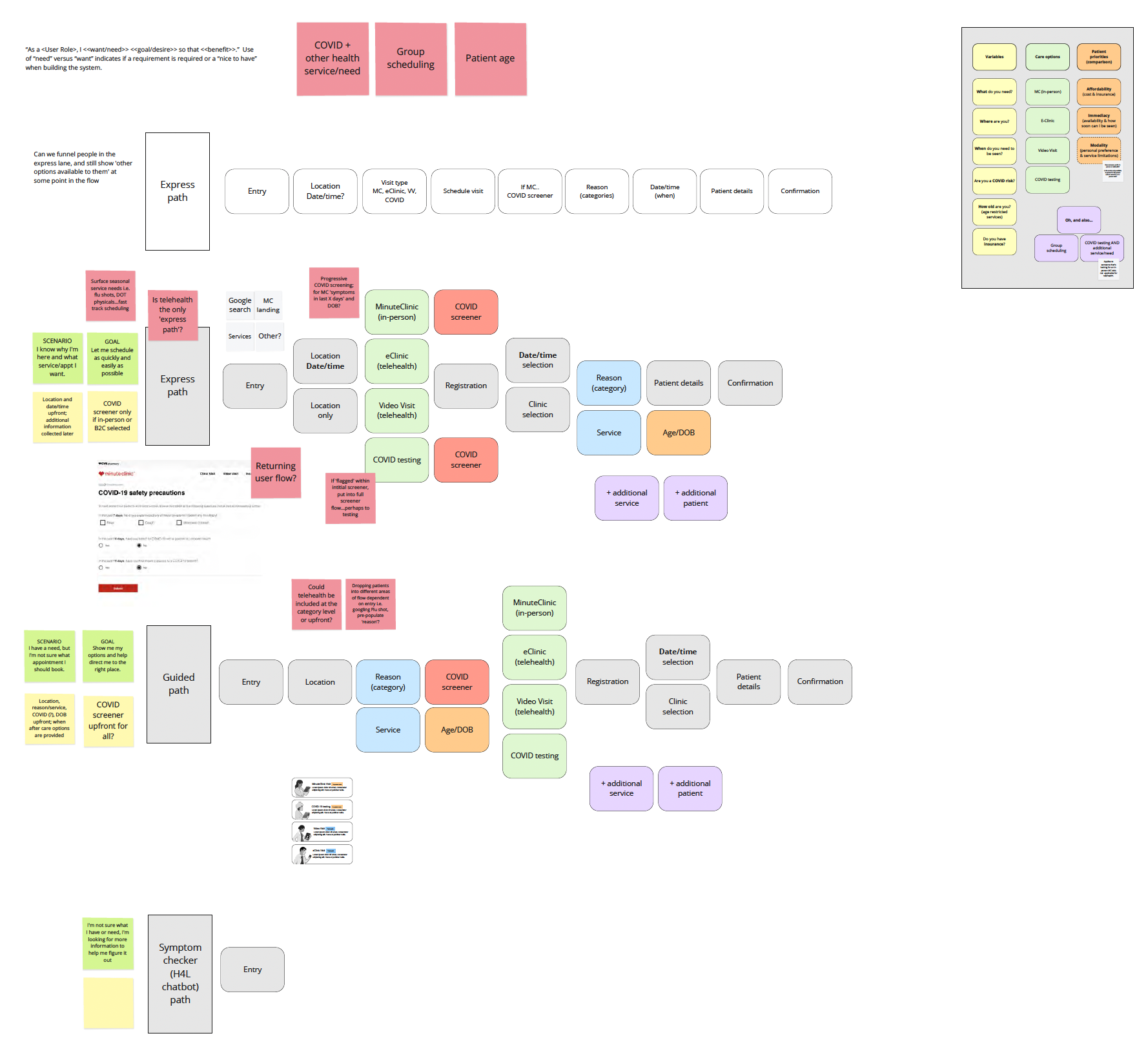
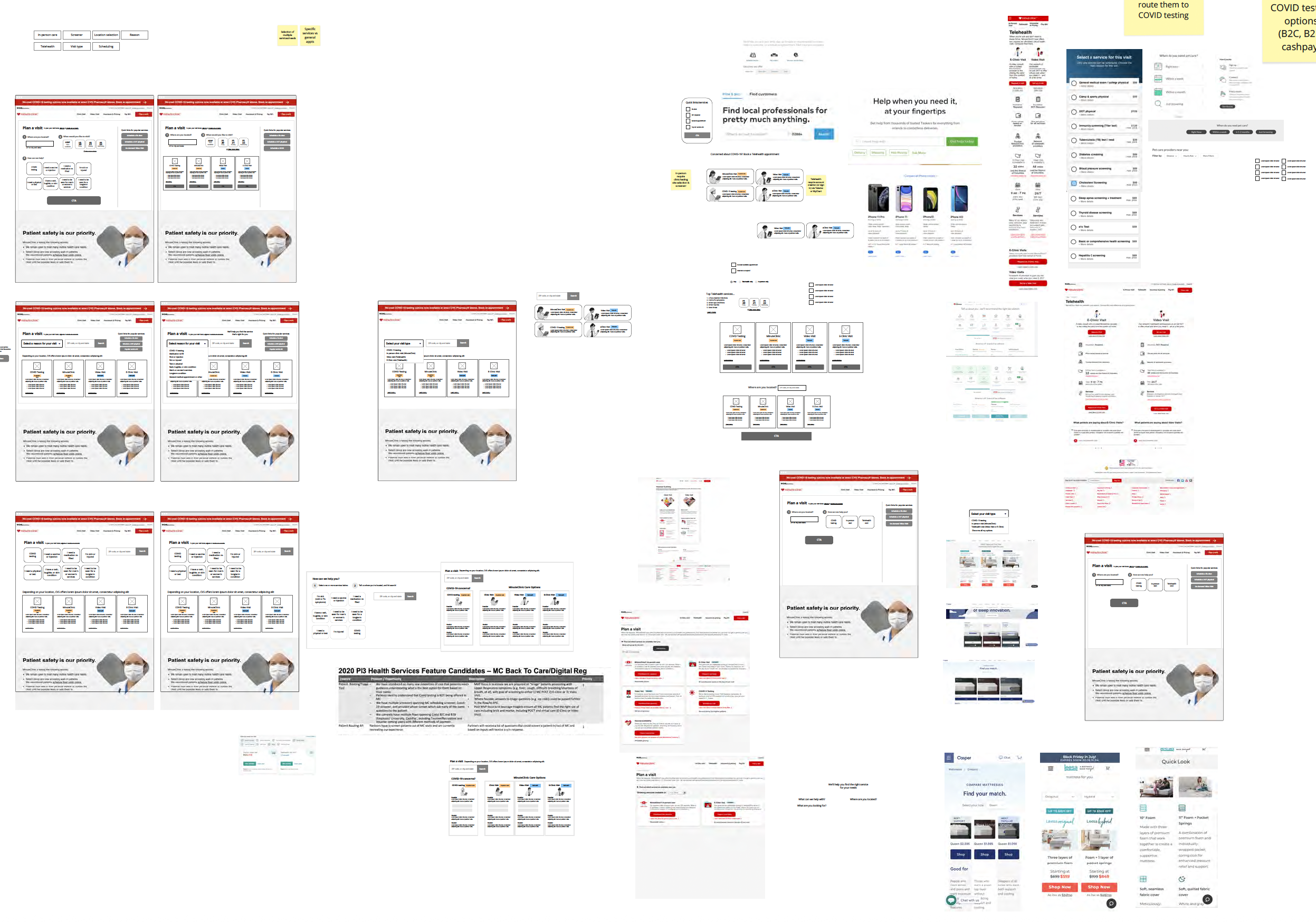
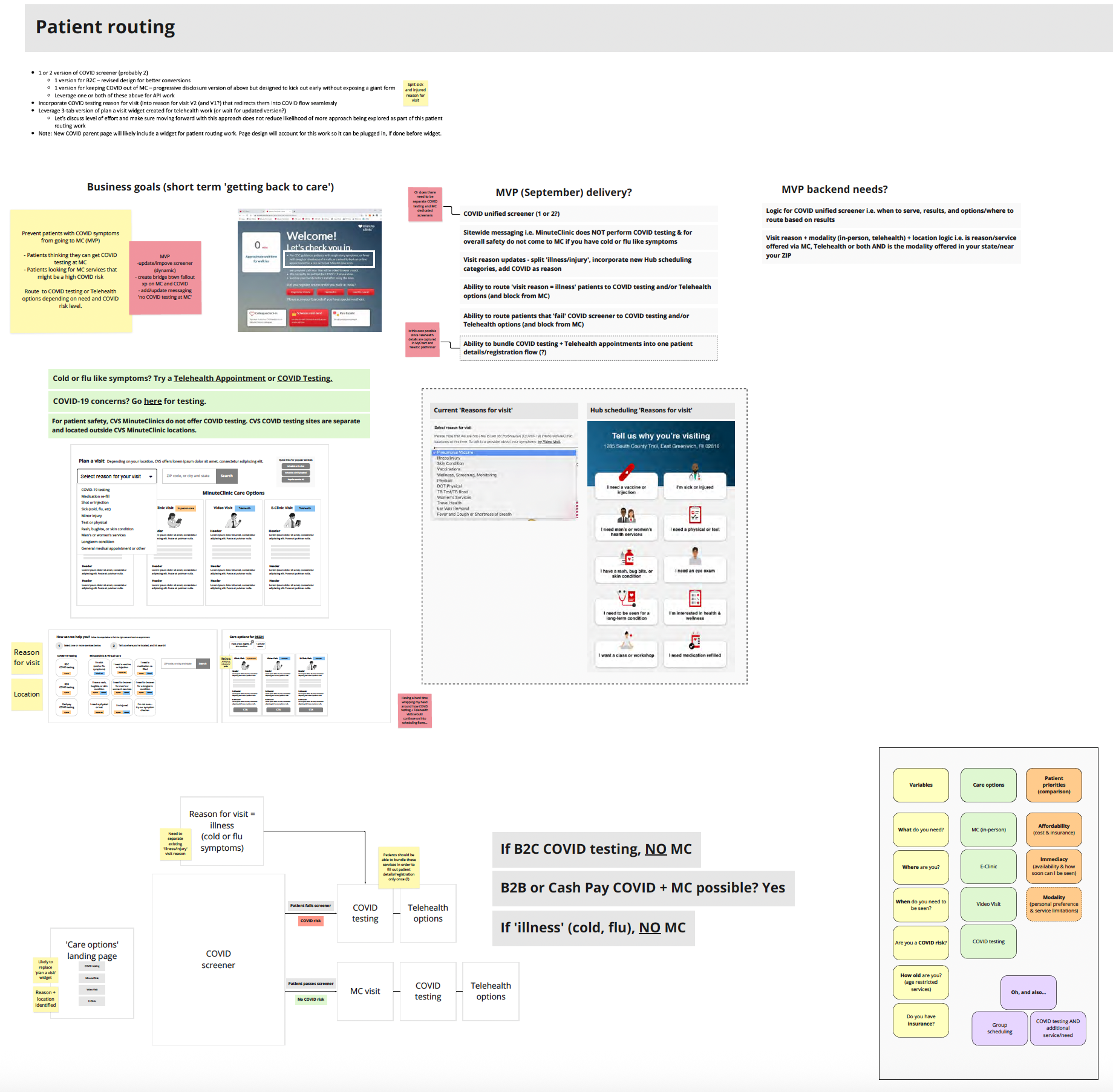
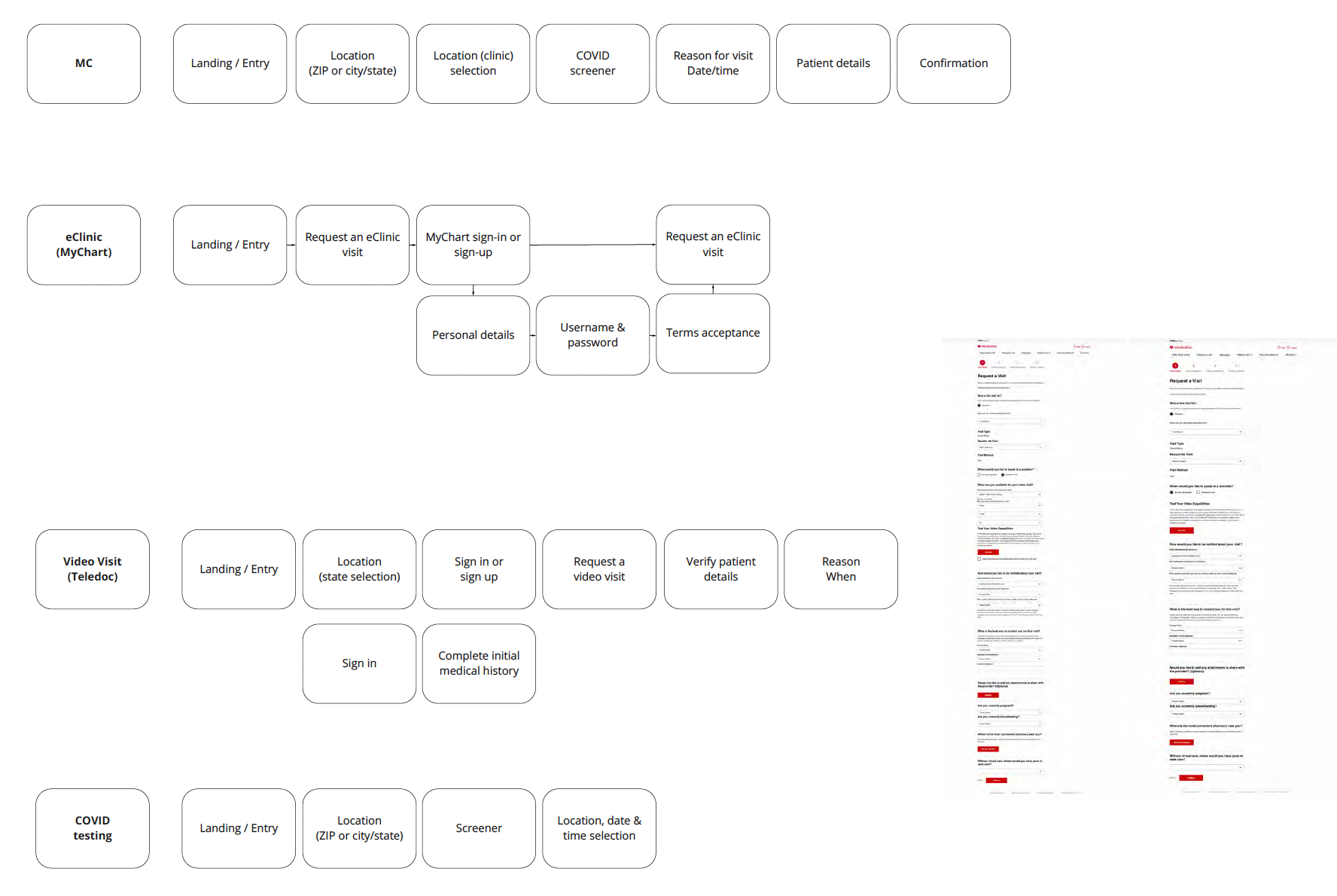
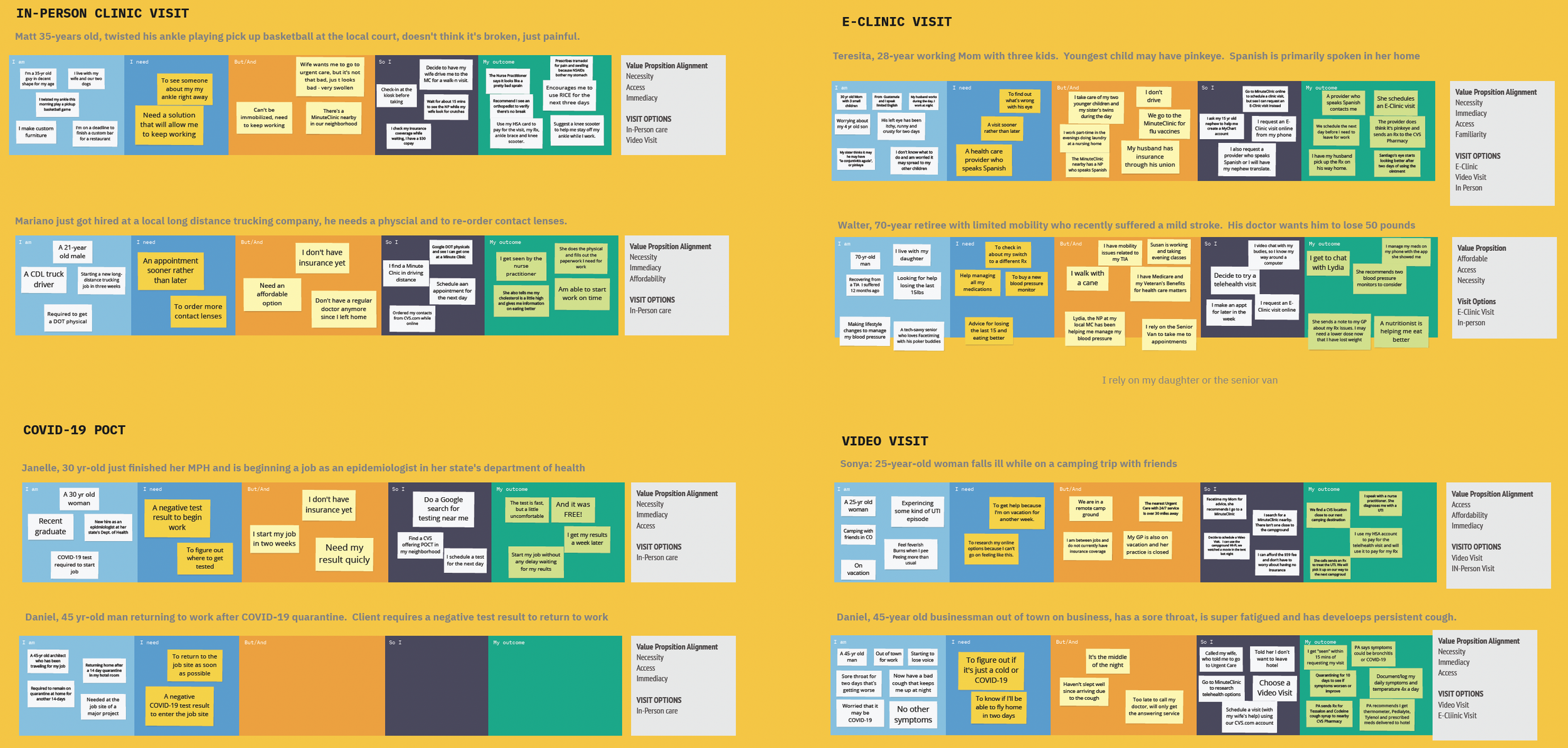
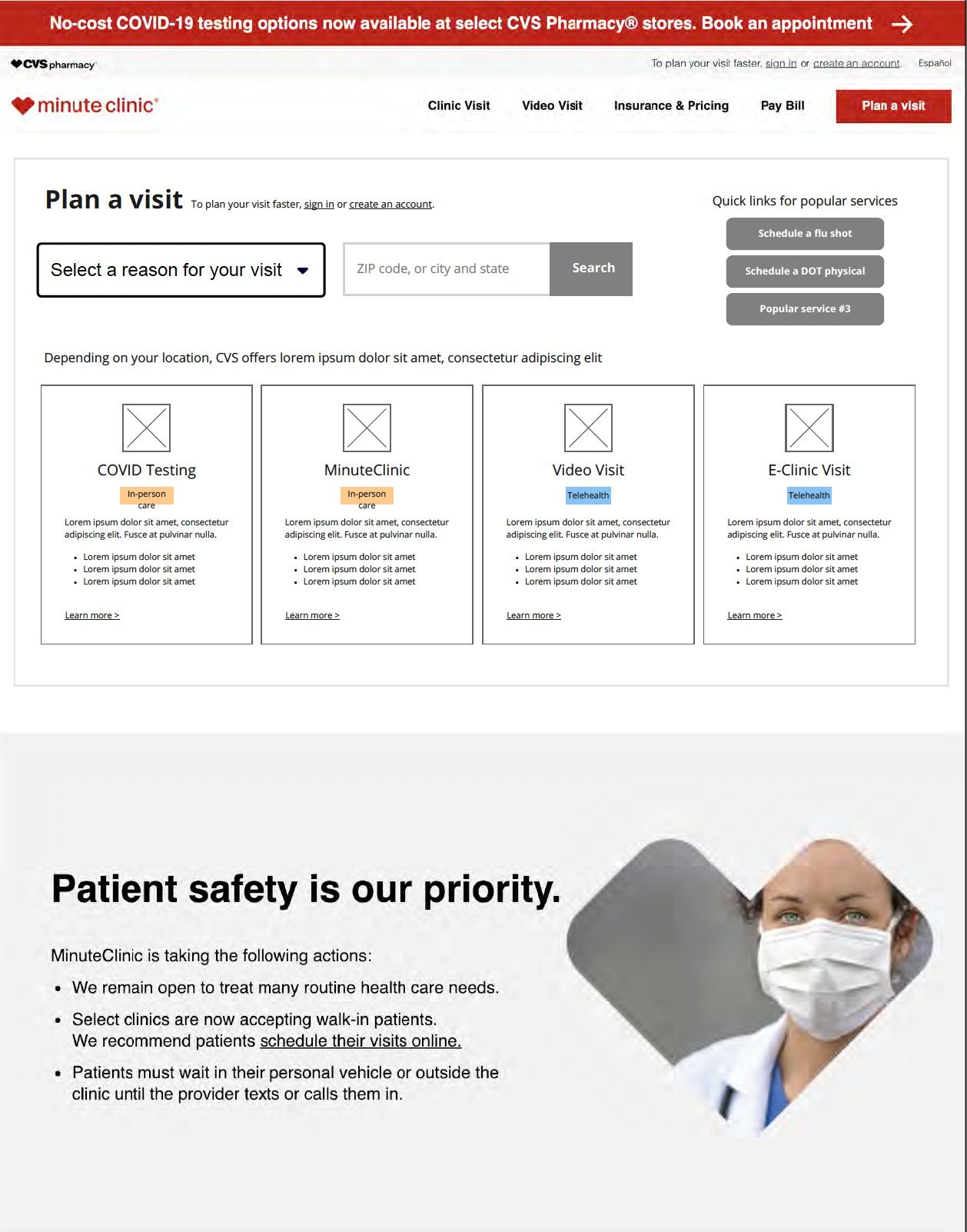
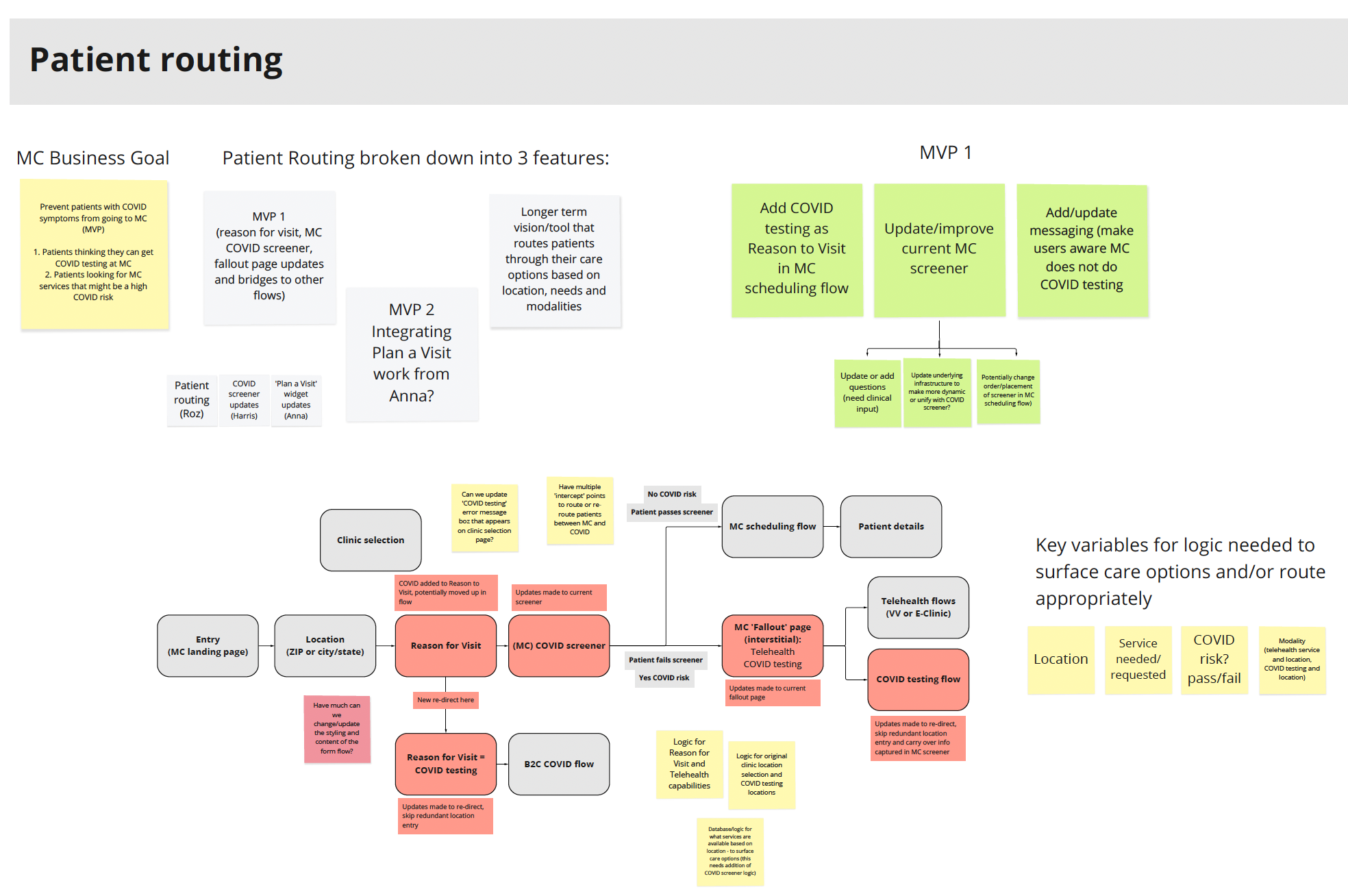
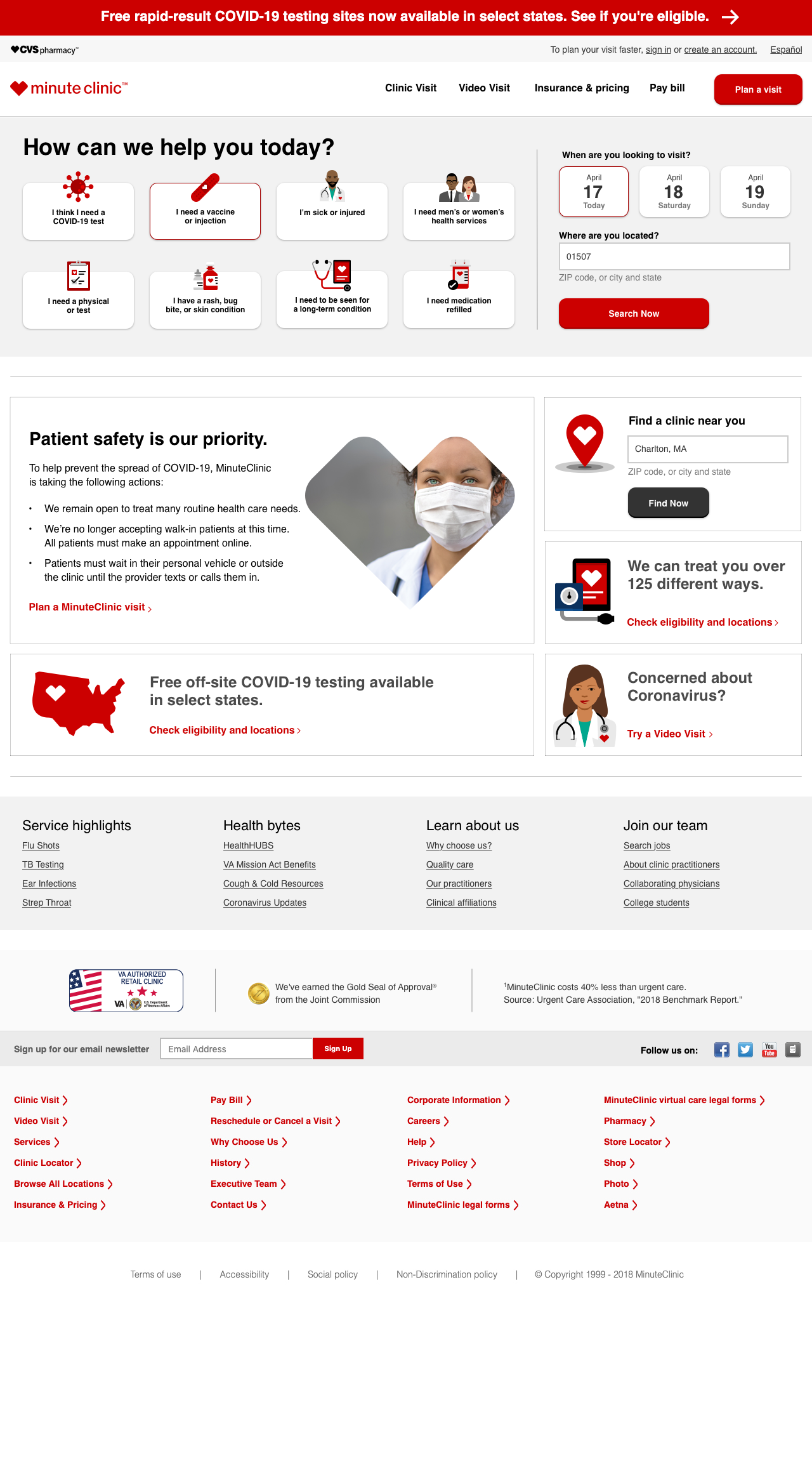
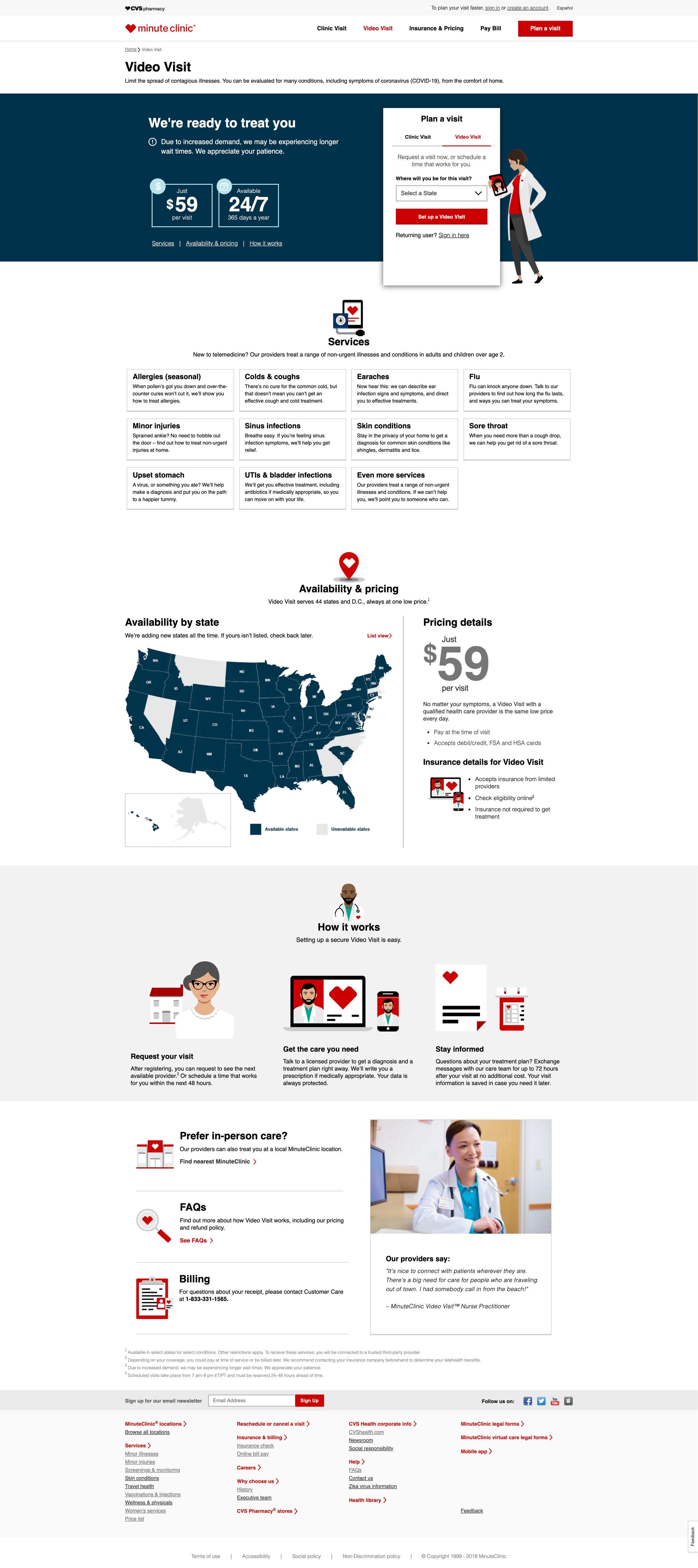
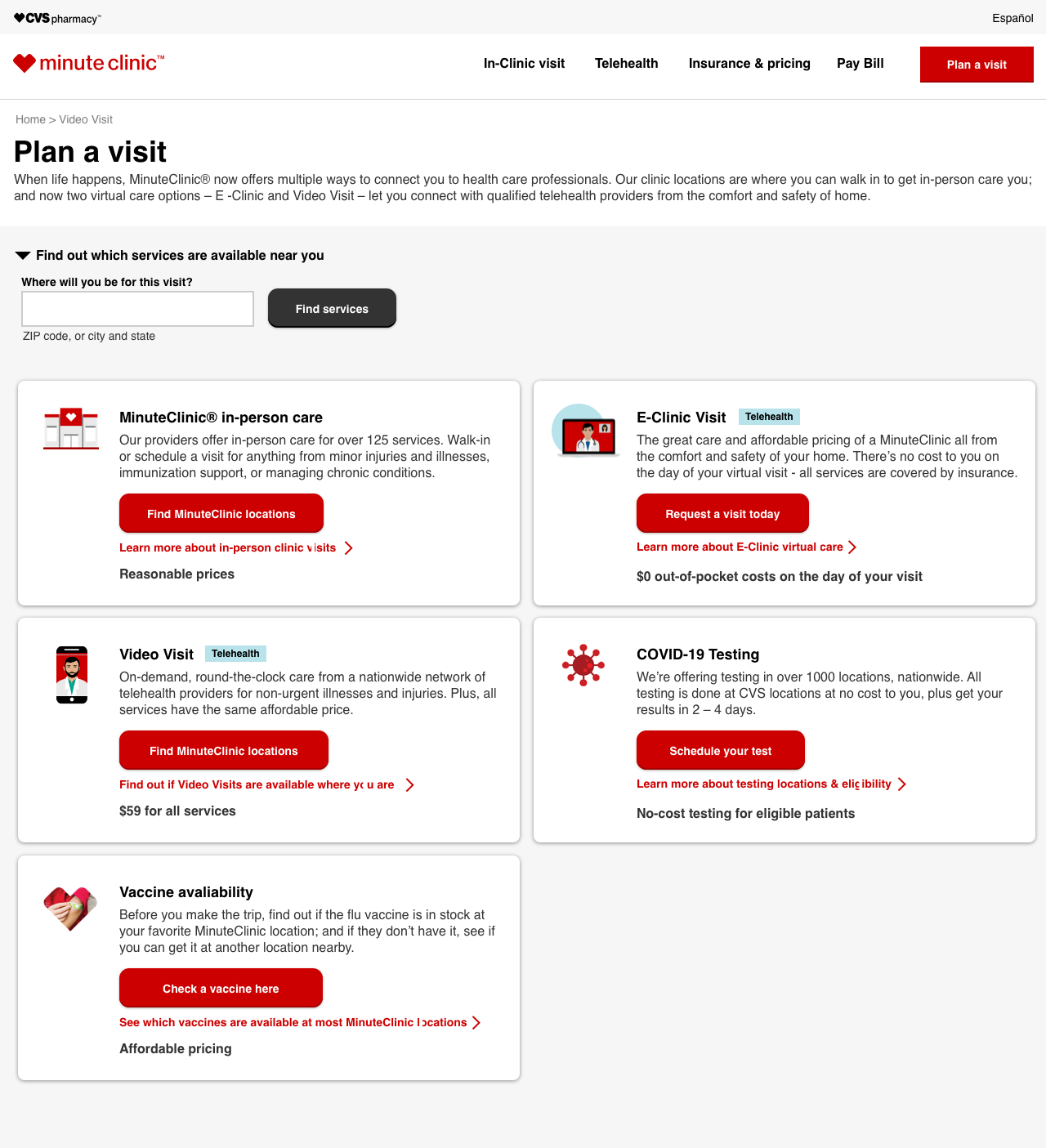
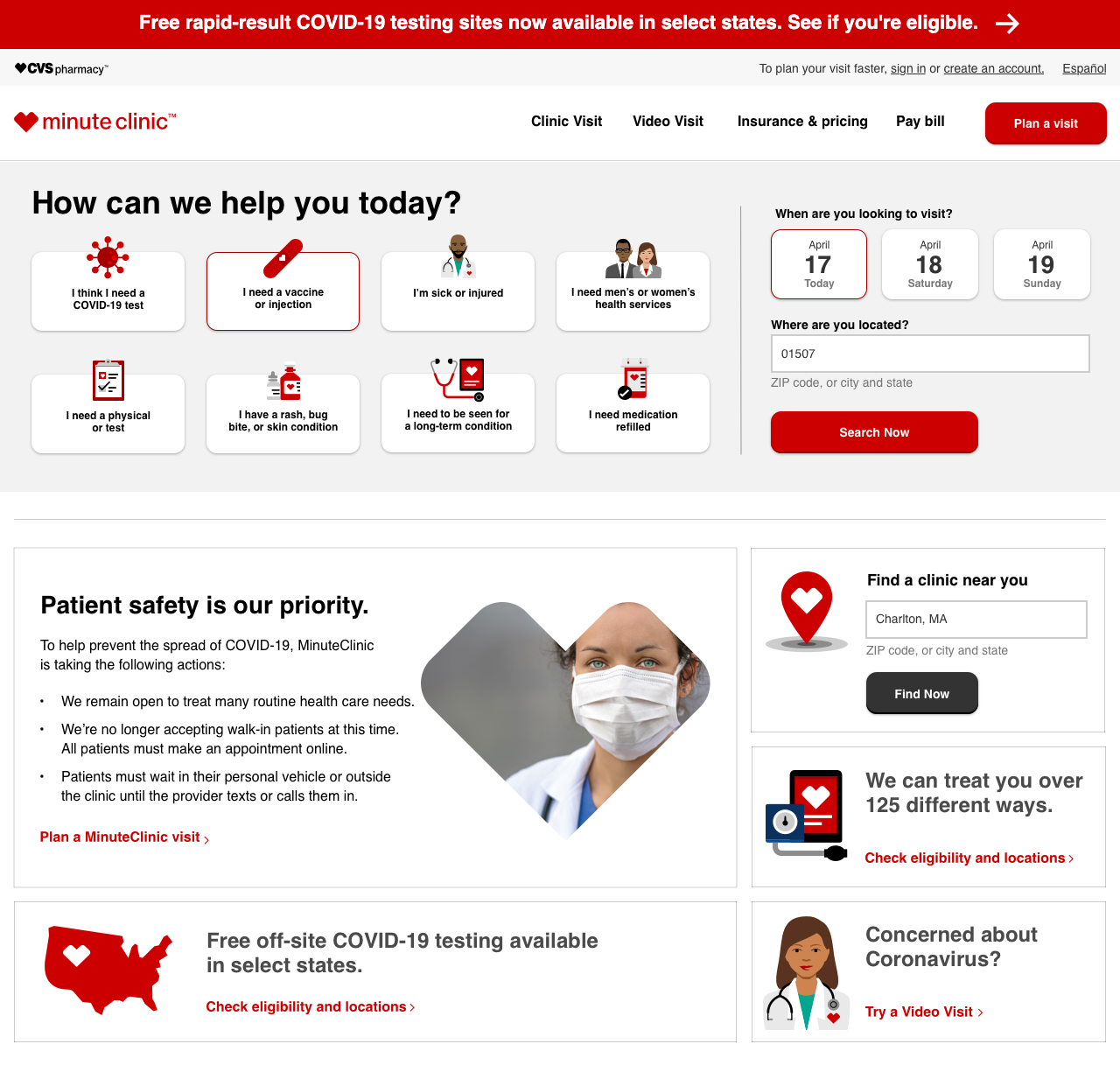
The patient routing project/functionality became a core aspect of the MinuteClinic website. In essence, this functionality was meant to gently entice users into a central conversion funnel that efficiently offered the types of care that they qualify for, and seamlessly integrate them into the relevant scheduling flow - with as few dead ends and as little confusion as possible. It consisted of several widgets, a new landing page, a new taxonomy, and a new flow connecting to existing and forthcoming forms.
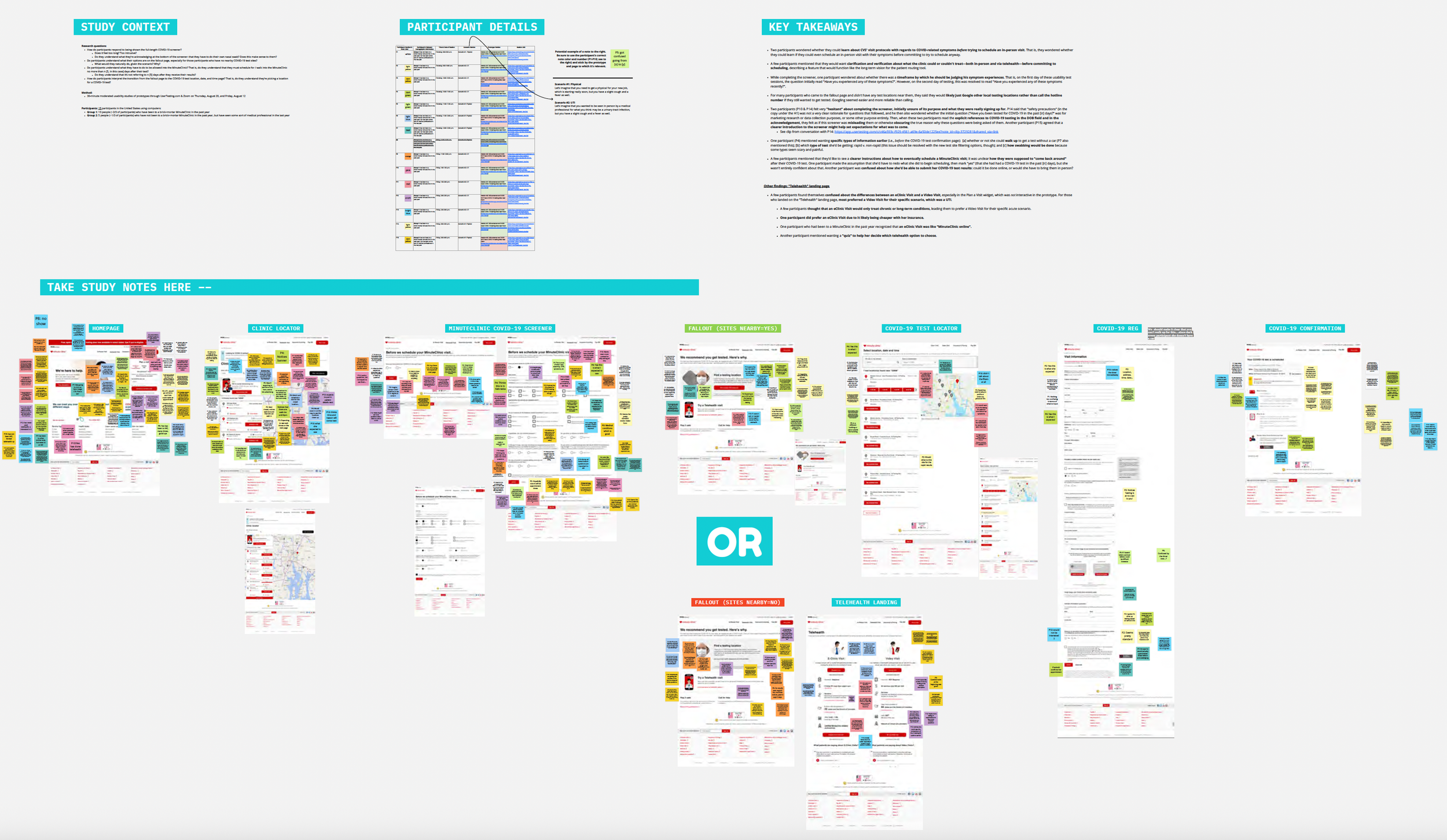
When COVID struck, it had an enormous impact on our strategy. We had to move quickly to include several COVID-testing options, and screen users for COVID risk and route as necessary.
Concurrent with this project was an overhaul of our services taxonomy, home page redesign, and a complete redesign of the MinuteClinic scheduling flow. This required a tremendous amount of coordination and collaboration both with our design team and several other teams.
Key Problems & Goals
Problem #1:
There was a real risk of overwhelming customers with complexity, creating unwanted dead ends, and negatively impacting our conversion rates, revenue, and customer satisfaction scores.
Problem #2:
The care platforms and services coming online were evolving asynchronously - and COVID screening requirements and safety guidelines were often literally changing hourly.
Problem #3:
Our product team was swamped with work, so there were significant gaps in high-level strategy and coordination, and they were sometimes unaware of these gaps.
Problem #4:
If the significant amount of concurrent design and research work was not closely synchronized and managed from a holistic perspective, or if it was not carefully coordinated within and outside our team, it was clear there would be significant and rippling consequences across many teams.
Goal #1:
Insulate users from the complexity of our offerings, steer them towards options that are right for them, and avoid dead ends.
Goal #2:
Seamlessly integrate with existing flows so well that the user is unaware of any separation.
Goal #3
Proactively work with leadership and partners across teams to communicate and resolve identified gaps and conflicts.
Goal #4
Drive coordination of the related and concurrent work within the UX team, outside the UX team, provide holistic oversight, and establish regular forums with leadership across several teams for improving coordination and resolving concerns.
Methodologies Used
Story mapping
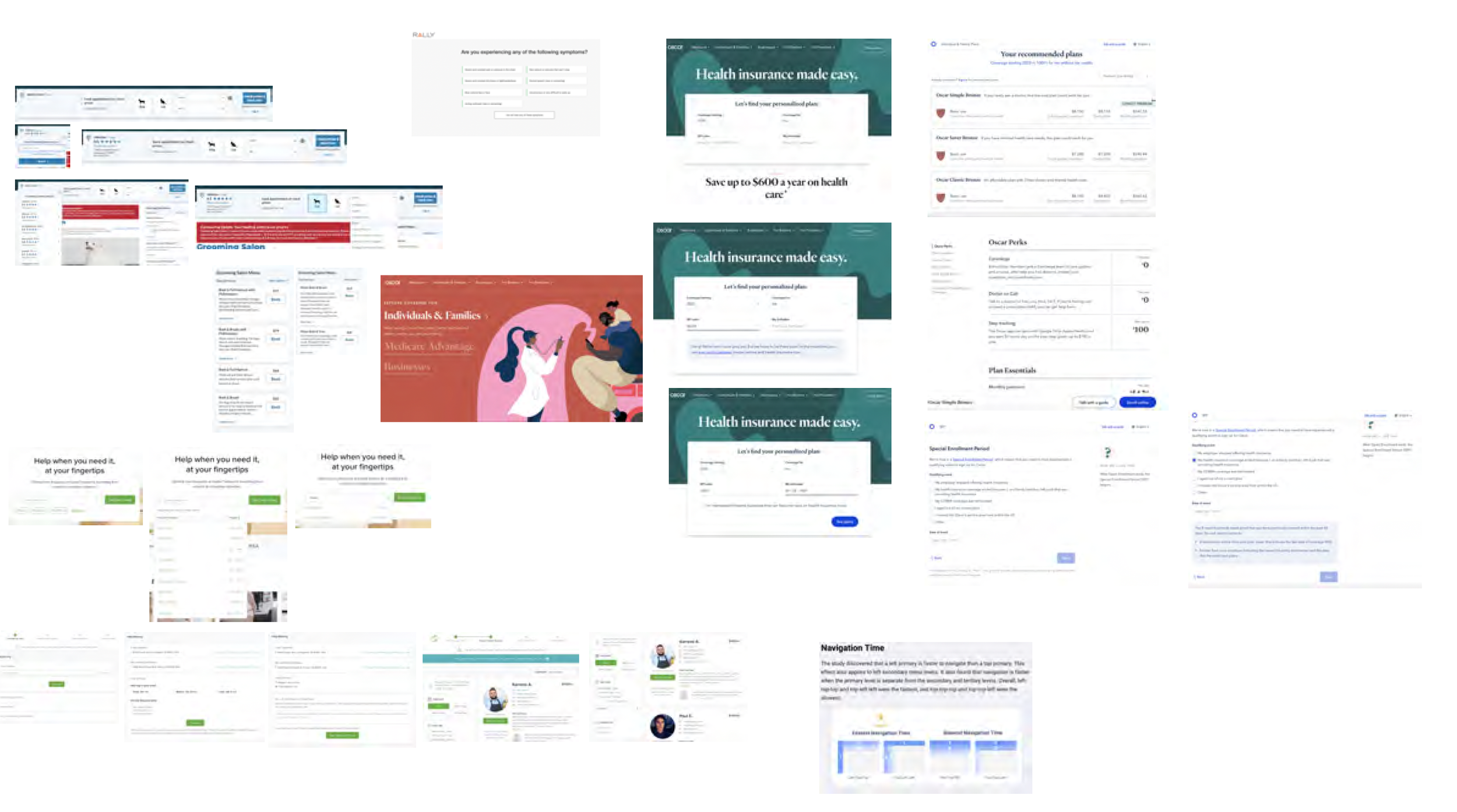
Competitive analysis
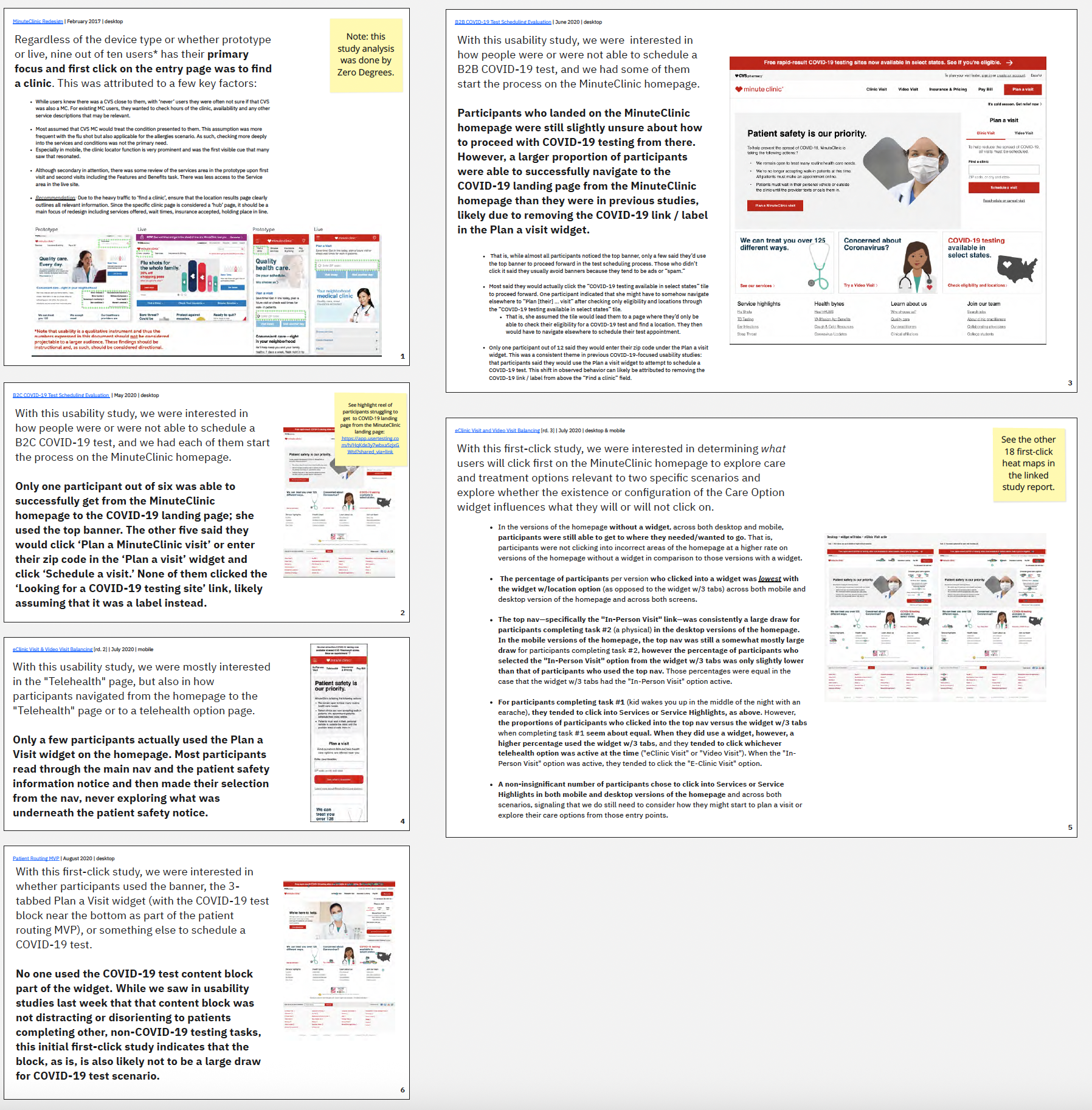
Click testing
Usability testing
Card sorting
Tree testing
Wireframes
Visual design
Prototyping
Images